Take a walk through Lewisham and you are also taking a journey across centuries of local history. Many of the borough’s street names and places are not just labels but clues to how the area looked, felt and functioned long before high streets, trains or modern flats.
Names from Meadows and Woodlands
Lewisham itself has an ancient story. Earliest records call it Levesham, thought to mean ‘the village among the meadows’ or ‘homestead of Leofsa’, with roots in Old English. The final ham in the name signals a dwelling or village, while leah or læswe points to places of meadow or woodland clearing. These details remind us that much of today’s borough once spread alongside lush meadows and riverside thickets, notably near the River Ravensbourne. It is not simply a nice detail for historians. Many of the original landscapes live on quietly in the words on our maps and bus stops (source).
Look at Rushey Green. The name is a straightforward reflection of its marshy, rush-filled ground. For anyone who has ever struggled in soaked trainers crossing a patch of school field, it resonates. Lewisham in wet seasons has always had a character of its own (source).
Forest Hill is easier still to imagine. Historically known as le Forest de Leuesham, the area was once part woodland, a landscape which would have shaped both livelihoods and local folklore long before suburban growth.
Reminders of Old Landowners and Notables
Some streets in Lewisham are stamped with the names of local personalities and events. Wat Tyler Road brings a nod to the Peasants’ Revolt of 1381, commemorating the famed leader’s part in that historic uprising. It connects modern passers-by to a moment of dramatic change, all through an everyday sign.
Meanwhile, Evelyn Street marks the legacy of John Evelyn, an influential writer with strong links to nearby Deptford. These commemorative names are not random. They remind us of the influential residents and stories that shaped the borough over centuries (source).
Deeper Roots in Anglo-Saxon and Medieval Names
Digging beneath the surface, some local areas carry names first recorded in medieval or Anglo-Saxon times. Bellingham (originally Beringaham or Belingeham) is believed to mean the homestead of a man named Bera. This hint of personal land ownership and settlement, centuries old, is embedded in place names across the borough (source).
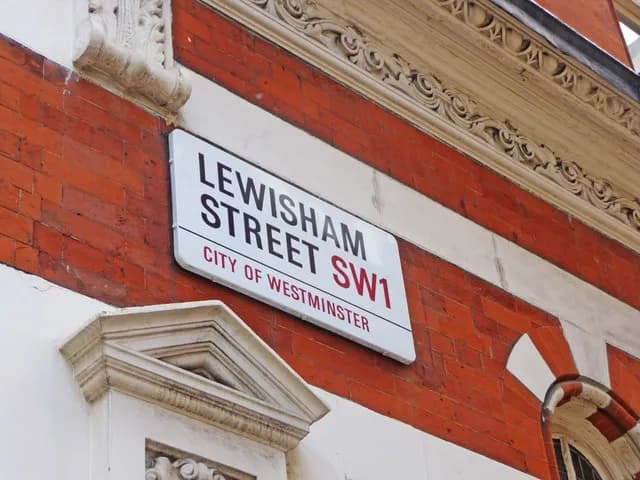
Such traces turn the local landscape into a living map of meadows, boundary lines, old farms and family names. As residents, we may use these words daily without second thought. Yet they are keys to Lewisham’s long, complex story. Whether you walk along Forest Hill Road, live near Rushey Green, or pass through Evelyn Street, each name is a whisper from the borough’s layered past.
Curious? Next time you look up at a street sign, spare a thought for the river crossings, meadows and steadfast ancestors who have quietly shaped and named the Lewisham we know today.