Henry VIII founded Deptford Dockyard in 1513, establishing a shipbuilding site that would operate for more than three centuries and earn the nickname "Cradle of the Navy". The dockyard, which finally closed its gates in 1869 after 356 years of continuous service, played a central role in two of the most celebrated chapters of British and European maritime history.
Queen Elizabeth I Knights Francis Drake
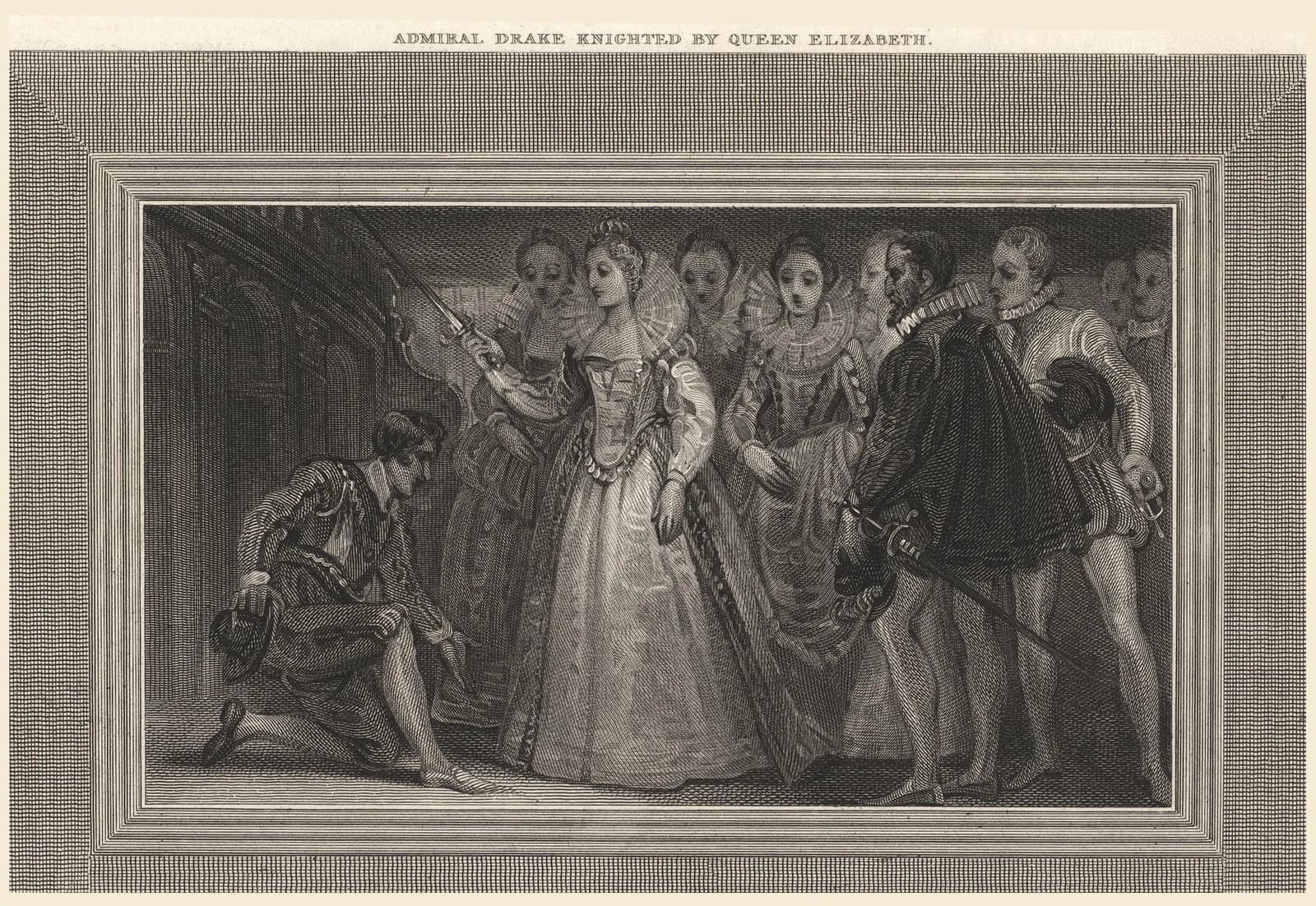
On 4 April 1581, Queen Elizabeth I travelled to Deptford Dockyard to knight Francis Drake aboard his ship, the Golden Hind. The ceremony rewarded Drake for completing his circumnavigation of the globe between 1577 and 1580, the first English expedition to achieve this feat.
The Golden Hind remained moored at Deptford Creek for public exhibition for decades after the knighting. The vessel became a tourist attraction and symbol of England's growing naval power until it was broken up in the 1660s.
Peter the Great's Three Months in Deptford
More than a century after Drake's knighting, another historic figure arrived at Deptford. In 1698, Peter the Great, Tsar of Russia, spent three months in the area learning shipbuilding techniques. The Russian ruler stayed at Sayes Court, the residence of diarist John Evelyn, while working incognito at the dockyard.
Contemporary accounts suggest Peter threw himself into his studies with characteristic energy. His stay was not without incident; the Tsar and his companions reportedly damaged Evelyn's famous holly hedge during boisterous wheelbarrow races. The Treasury eventually paid £350 9s 6d in compensation for the damage.
The Dockyard's Later Years and Lewisham Connection
The dockyard continued building and repairing Royal Navy vessels until its closure on 31 March 1869. The site eventually passed into private hands and was known as Convoys Wharf. In 1994, the area was transferred from the London Borough of Greenwich to the London Borough of Lewisham.
Today, visitors to Lewisham can explore this layered history at Sayes Court Park, which marks the location of Peter the Great's residence. The Grade II listed Olympia Warehouse, a surviving dockyard building, is scheduled for refurbishment as part of redevelopment plans that include proposals for 3,500 new homes on the Convoys Wharf site.
What Remains
Physical traces of the dockyard's grandeur are limited, but the site's historical significance endures. Archaeological investigations continue to uncover remains of the Tudor and Stuart dockyard infrastructure. Local heritage groups and Lewisham Council have worked to ensure the site's naval history is recognised as development proceeds.
The dockyard's story intersects with multiple threads of British history: the defeat of the Spanish Armada, the expansion of global trade, Anglo-Russian relations, and the growth of the Royal Navy into the world's dominant maritime force. For Lewisham residents, these events occurred not in distant history books but on the banks of the Thames within their own borough.